About Tin Stabilizer
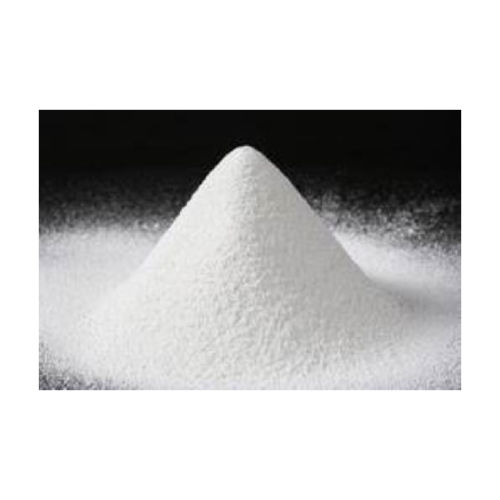
Explore a crackerjack solution for your PVC needs: Our Grandiose Tin Stabilizer is an exclusive offering designed to improve thermal stability and prevent degradation during manufacturing. With a redoubtable formulation, it guarantees reliability! Boasting excellent antioxidant properties, it resists oxidation, ensuring the integrity of your end products. Odorless, tasteless, and free from toxins, this liquid-form stabilizer features a purity of 99% or higher. Store in a dry, ventilated area away from heat for optimal shelf life. Order today to experience industrial-grade excellence from a leading exporter, importer, and supplier in India.
Key Features & Directions for Use
To maximize efficiency, add Tin Stabilizer to your PVC formulation during the initial mixing phase. Suitable for a wide array of plastics, its materials feature outstanding heat resistance and chemical stability, rendering it ideal for demanding industrial environments. Advantages include extended product lifespan and minimized risk of oxidation during processing. Always ensure use in recommended doses and store away from sunlight to preserve potency and performance.
Certifications, Packaging, and Export Markets
Our Tin Stabilizer is supplied with comprehensive certifications and technical documentation upon request for your reference. Packaging is customized for safety and stability, ensuring products are shipped securely worldwide. List price quotations are available for bulk orders. We serve diverse main export markets, including Europe, Asia, and the Americas, making us a preferred partner for timely, cost-effective supply solutions. Inquire now to receive detailed export and packaging options to suit your business needs.
FAQ's of Tin Stabilizer:
Q: How should Tin Stabilizer be stored to maintain its effectiveness?
A: Tin Stabilizer should be stored in a cool, dry, and well-ventilated area away from direct sunlight and heat sources to maintain its stability and prolong its shelf life.
Q: What are the primary benefits of using Tin Stabilizer in PVC production?
A: Tin Stabilizer enhances thermal stability, prevents degradation, and maintains product integrity during the manufacturing of PVC and other plastics.
Q: When is Tin Stabilizer typically added during the plastic manufacturing process?
A: The stabilizer is usually introduced during the initial mixing phase of PVC or plastic processing to ensure uniform distribution and optimal performance throughout production.
Q: Where is this Tin Stabilizer primarily exported from?
A: Our Tin Stabilizer is primarily exported from India, serving clients across Europe, Asia, the Americas, and other global markets.
Q: What is the process for obtaining technical certifications and price quotations for this Tin Stabilizer?
A: Detailed certifications and quotations can be requested by contacting our sales or export team, who will provide documentation and list prices tailored to your order volume and requirements.
Q: How does Tin Stabilizer impact the longevity of final plastic products?
A: By preventing thermal and oxidative degradation, Tin Stabilizer significantly extends the service life of PVC and other plastic formulations, making final products more robust and durable.





 Send Inquiry
 Send Inquiry

